Making fashion access more flexible through clothing rental
Rethread
Rethread is a mobile-first fashion rental marketplace concept exploring how people can access distinctive, high-quality clothing without continually purchasing pieces they may only wear occasionally.
- Marketplace
- Mobile
- Product Discovery
- User Experience
- MVP
- Sustainability
Project overview
- Project
- Rethread
- Product type
- Mobile fashion rental marketplace
- Context
- Product management project
- Date
- July 2025
- My focus
- Product discovery, user needs, product strategy, MVP definition, feature prioritisation, user stories, roadmap and success measurement.
01
The Problem
The fashion industry produces significant waste through unsold and unworn clothing, while consumers can struggle to access high-quality fashion in a sustainable and affordable way without purchasing it outright.
How might I make high-quality fashion more accessible without encouraging more ownership and waste?
Working within a four-person product team, I explored whether a rental marketplace could give fashion-conscious consumers access to more variety while helping existing clothing remain in circulation for longer.
02
Product Vision
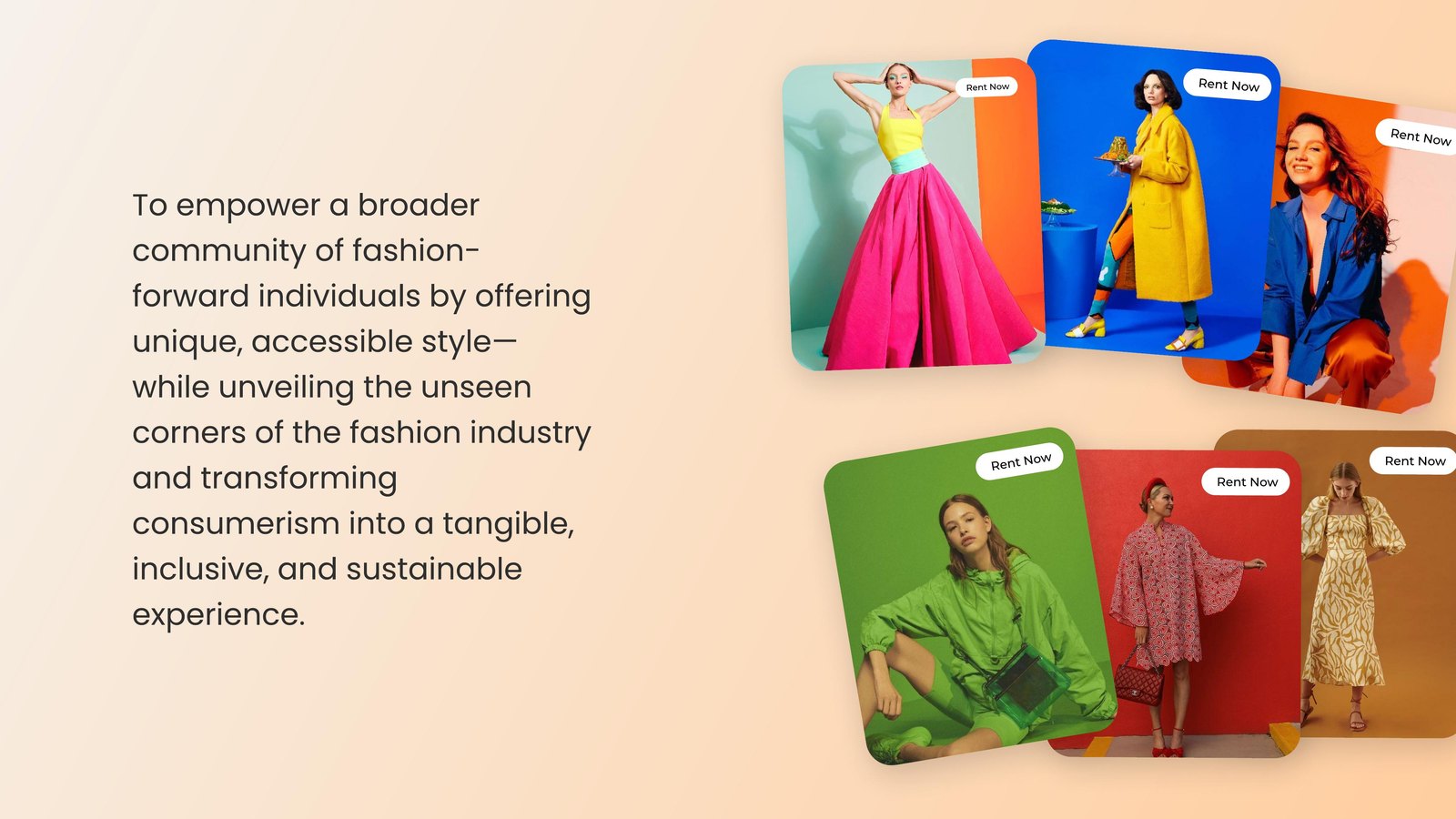
My goal was to explore an alternative to traditional fashion ownership, one that could give users greater access to distinctive fashion while supporting affordability, inclusivity and a more circular approach to consumption.
Rethread would allow users to access unique, high-quality garments through a rental model rather than requiring permanent ownership, opening up pieces that would otherwise sit unworn.
03
Understanding the Users
I defined three personas to represent the different motivations I expected on the renter side of the marketplace. These are personas developed for the project rather than findings from user interviews.

Tia Morgan
26 · Essex · Mobile shopper
Luxury-conscious planner
Key needs
- Premium fashion without the high purchase price
- Better outfit planning
- Quality without unnecessary ownership
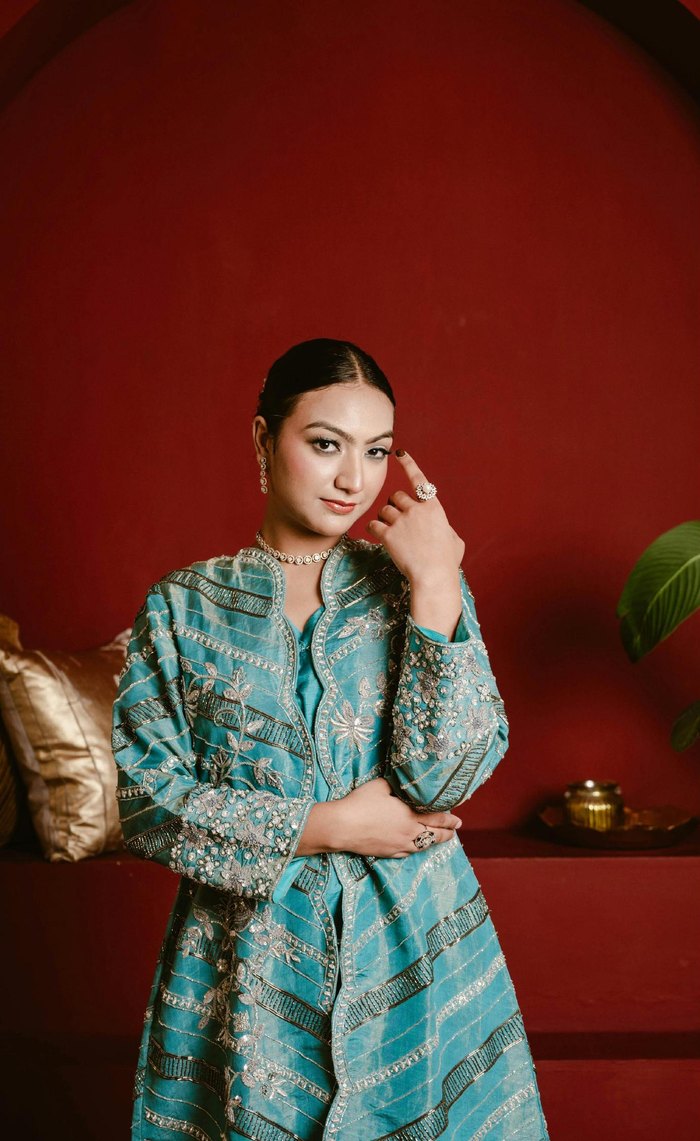
Priya Patel
24 · London · Mobile-first
Cultural and high-street fashion shopper
Key needs
- Better sizing information
- More cultural fashion options
- Ability to experiment without purchasing

Leo Williams
30 · Cardiff · Mobile shopper
Expressive, event-driven fashion user
Key needs
- Avoid buying clothing for one-time occasions
- Variety for events
- Less friction than buying and reselling
What stood out to me
Although their motivations differed, the personas revealed recurring needs around access, affordability, variety, sizing confidence, event relevance and reducing unnecessary ownership.
04
My Hypothesis
Hypothesis
If I could create a curated, easy-to-use fashion rental experience, then fashion-conscious users seeking variety and more sustainable consumption could see rental as a viable alternative to ownership.
The hypothesis connected four things I kept returning to:
- User desire for variety
- The high cost of ownership
- Sustainability concerns
- Access to quality fashion
05
The Opportunity
Rethread aims to give fashion-conscious users access to unique, high-quality garments through a sustainable rental platform while giving existing and underused clothing greater utility.
Access
High-quality fashion without permanent ownership.
Affordability
More ways to experience premium fashion without premium purchase prices.
Inclusivity
Support different styles, cultural clothing and occasions.
Circularity
Help existing clothing remain useful for longer.
06
Defining the Product Experience
I approached Rethread as a mobile-first product, because the personas discovered, planned and shopped for outfits on their phones.
Core discovery experience
- Browsing curated collections
- Searching and discovering garments
- Filtering by size, colour, style, designer, decade and location
Collections explored
- Y2K Icons
- Runway Archive
- Party Picks
The intended experience was visually editorial, closer to a fashion publication than a catalogue, but still easy to navigate on a small screen.
07
User Stories
Rethread is a two-sided marketplace, so I wrote stories for each type of participant rather than only the person renting.
Renters / buyers
The renter side had to reduce the risk of choosing wrongly: the wrong size, the wrong date or the wrong occasion.
- Find clothing by event type, such as a wedding, gala or festival
- Improve sizing confidence before committing to a rental
- Understand delivery timing at the point of checkout
- Receive outfit recommendations based on past rentals and searches
Lenders / sellers
Supply is the harder side of a rental marketplace, so lenders needed control, protection and a reason to stay active.
- List garments with useful attributes: size, condition and style tags
- Control pricing and rental duration
- Understand damage protection and insurance
- Receive incentives for listing regularly or in high-demand seasons
Hybrid users
Users who both rent and lend are the most valuable participants, so the product had to recognise both behaviours in one place.
- A unified dashboard for items borrowed, listed and rented out
- Recommendations and listing prompts based on demand and location
- Trust and protection when lending pieces out
- Recognition and rewards for participating on both sides
08
Prioritisation
I used Kano-style prioritisation to distinguish foundational expectations from features that could differentiate the experience later.
Must-haves
Expected. Their absence breaks trust.
- Save to favourites
- Guaranteed delivery dates
- Clear damage and return policies
Performance features
The more they improve, the better the experience.
- Event and cultural filters
- Real customer photos
- Location-based discovery
Excitement features
Valuable differentiators, but not the first priority.
- AI sizing / virtual try-on
- Carbon-footprint tracking
- Social-media outfit log
The trade-off
Rather than treating every interesting feature as MVP functionality, I separated the features required to make the rental experience trustworthy and usable from features that could differentiate Rethread later.
09
MVP
I defined the MVP as a focused first version rather than the complete future product. It only had to prove whether users could move through one journey end to end:
- Discover
- Evaluate
- Rent
- Receive
- Track
The essential experience
- Mobile-first browsing
- Curated collections
- Search and filtering
- Product information
- Rental selection and ordering
- Delivery and order tracking
- Favourites
- Clear rental and return information
More advanced capabilities such as AI sizing could be explored after the core rental journey had been validated.
10
Product Roadmap
Phase 1
Months 1–4
MVP development and market validation
Build a lean rental experience and test demand.
Phase 2
Months 5–9
Launch and community growth
Launch a public beta and build an engaged fashion community.
Phase 3
Months 10–18
Scale and product diversification
Expand the offering, refine operations and prepare for broader scale.
11
Go-to-Market Thinking
Sustainability
Make existing clothing work harder and support circular fashion.
Affordability
Give users access to premium looks without equivalent ownership costs.
Cultural and event relevance
Make it easier to access clothing for special events, cultural occasions and specific use cases.
Mobile convenience
Design for users who discover, shop and plan outfits from their phones.
12
Prototype
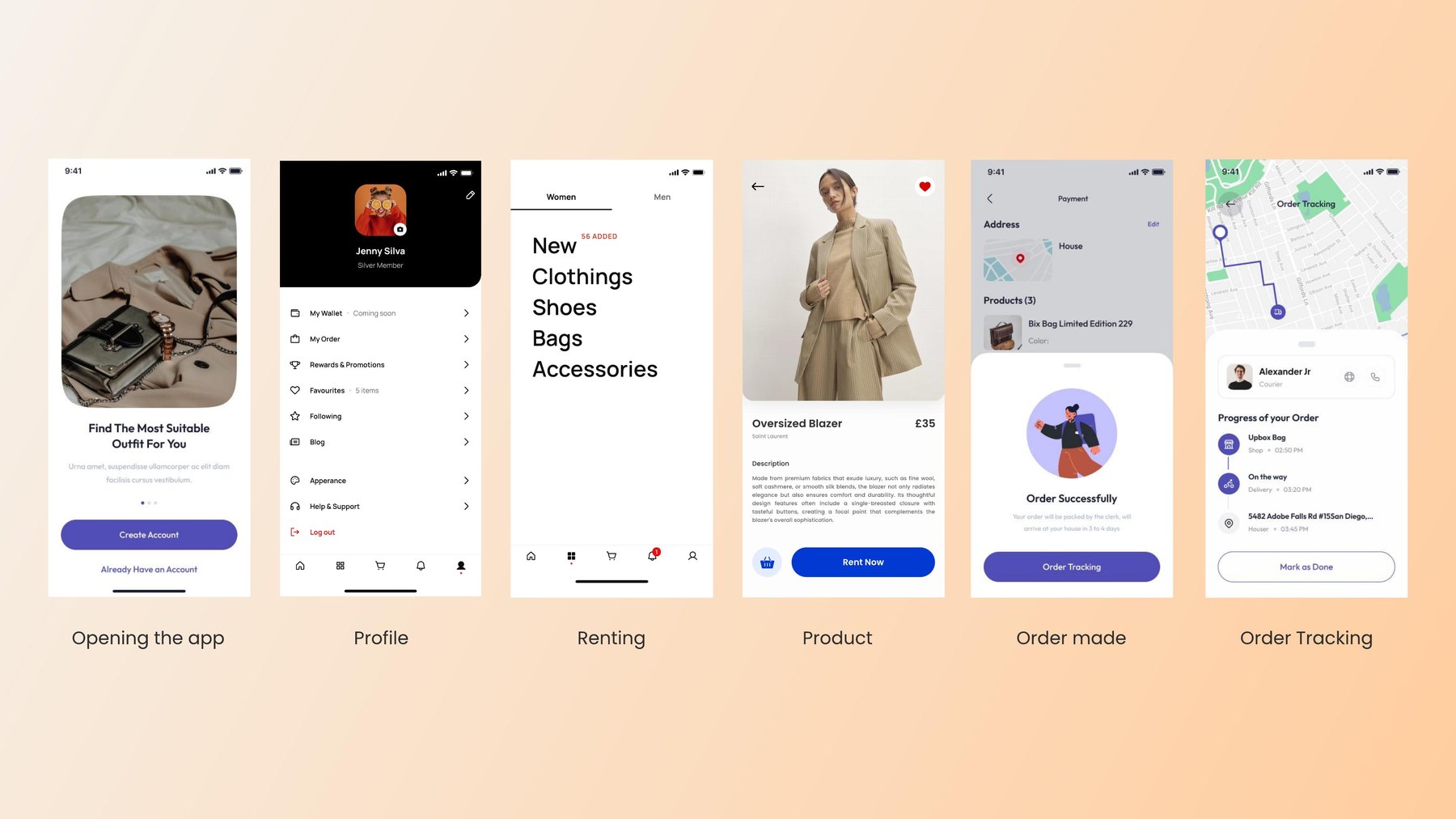
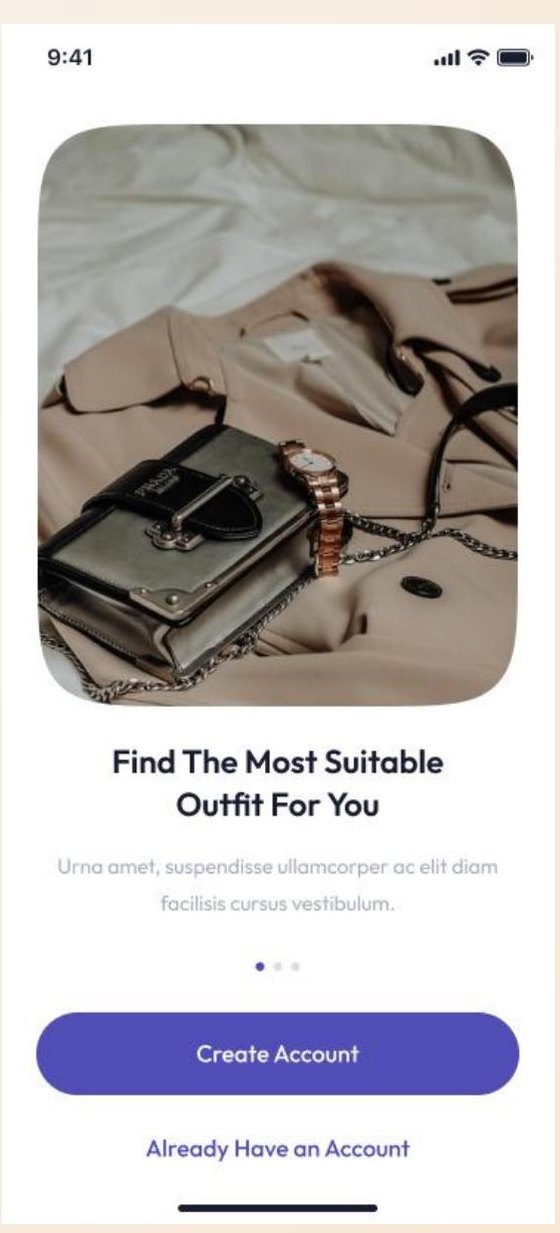
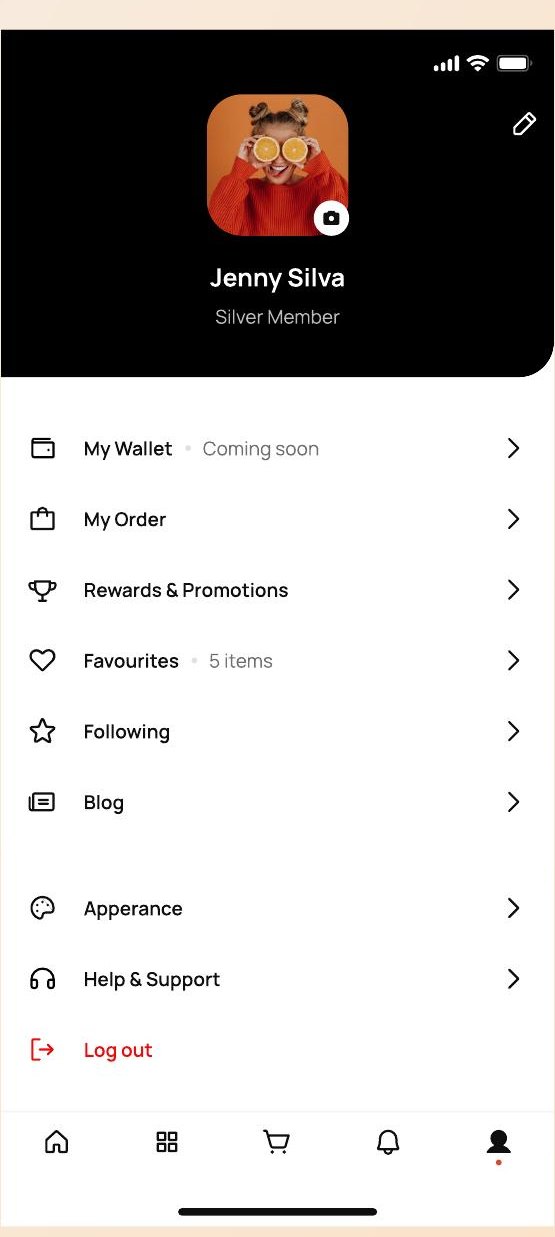
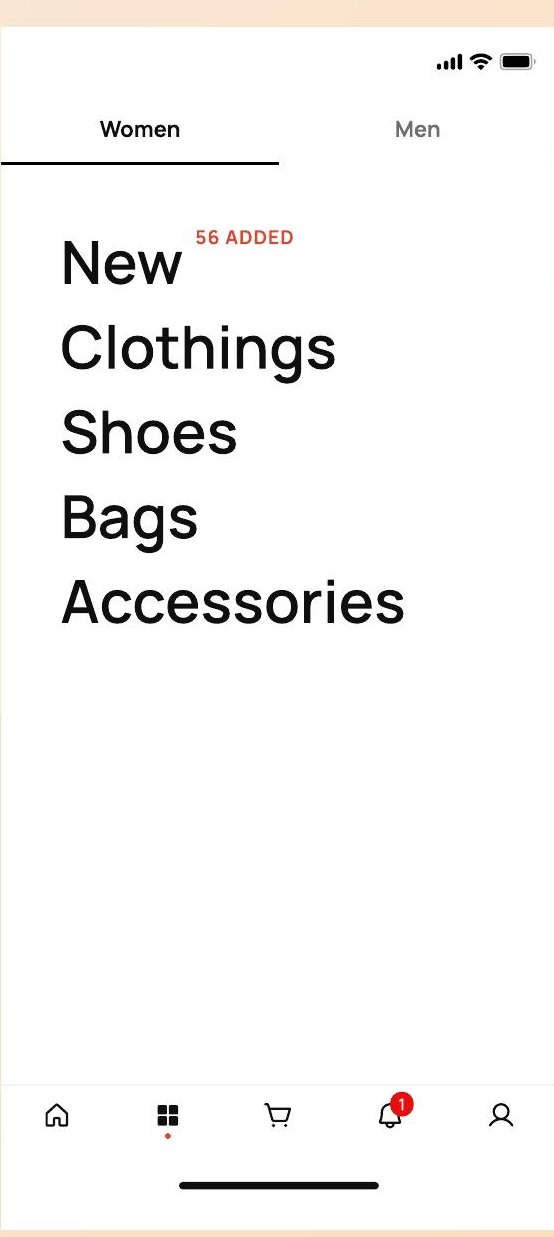
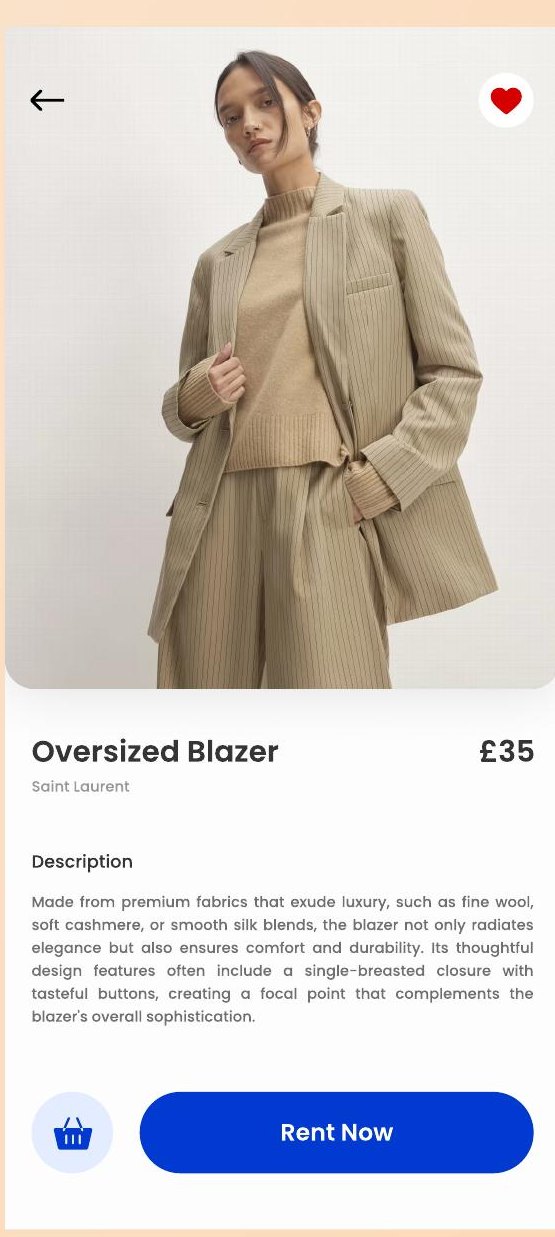
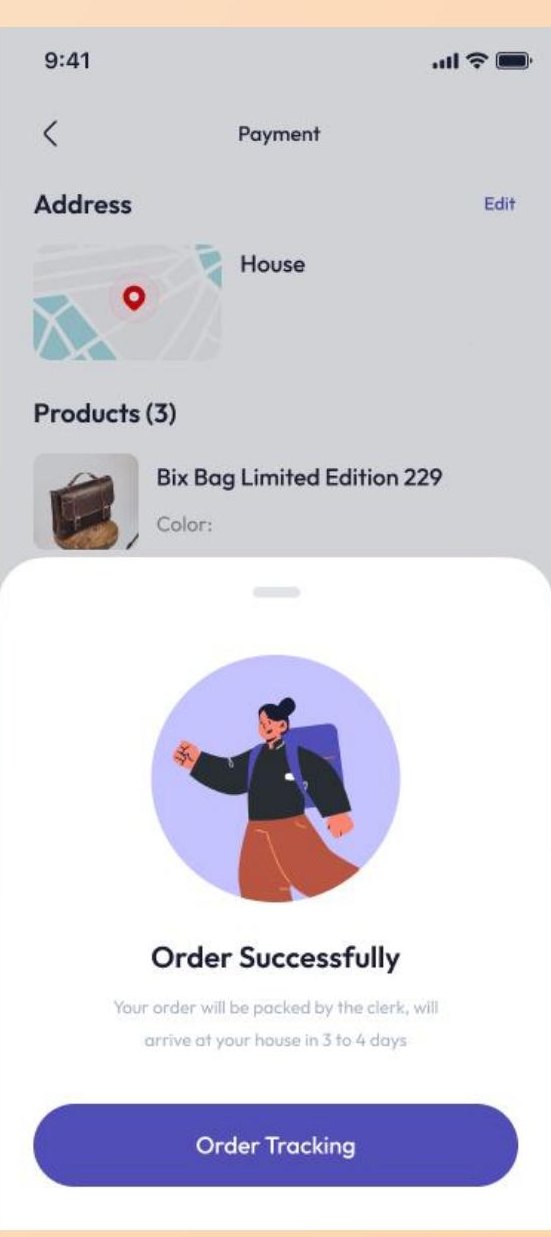
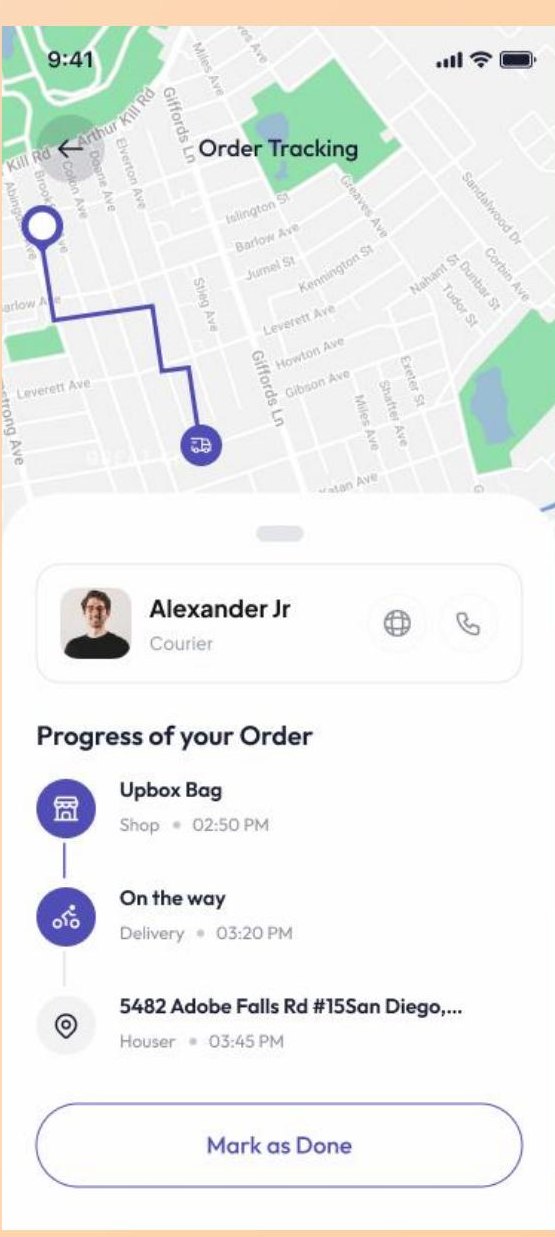
The prototype brought the proposed rental journey together, allowing me to visualise how discovery, product evaluation, checkout and post-order tracking could work as one connected mobile experience.
13
How I Would Measure Success
Rethread was a product concept, so these are the metrics I proposed to judge whether the rental model was working. They are not results the product achieved.
Monthly active users
Indicates ongoing platform interest and traction.
Proposed target
5,000 by month 6
Rental conversion rate
Measures how effectively browsing turns into completed rentals.
Proposed target
10–15%
Repeat rental rate
Shows whether users see enough value to return.
Proposed target
40%+ after 3 months
Average items rented per user
Indicates depth of engagement.
Proposed target
2.5+ per user per month
Wishlist saves
An early signal of garment desirability and potential future demand.
Proposed target
Tracked per item
The figures above are proposed targets taken from the original project. They are not achieved results.
14
Reflection
What this project taught me
Rethread reinforced for me that marketplace products have to create value on more than one side. A strong renter experience alone would not be enough; lenders also need control, trust and incentives to participate.
It also strengthened my approach to prioritisation. Features such as AI sizing and virtual try-on were attractive, but they were less important initially than fundamentals such as delivery confidence, clear policies and easy product discovery.
What I would test next
- Will users rent rather than buy for event-driven fashion needs?
- Which categories create the strongest repeat behaviour?
- How much does sizing confidence affect rental conversion?
- Which trust mechanisms matter most to lenders?
- Do cultural and event-based filters improve discovery?
- What causes users to return for a second rental?
These are open validation questions, not completed research.