From language learning to a digital cultural home
GÍDA LEGACY
GÍDA LEGACY is a cultural education product helping African diaspora children build stronger connections with their heritage through language, stories, culture, play and family experiences.
- 0→1 Product
- AI
- Customer Discovery
- Cultural Data
- Education
Project overview
- Project
- GÍDA LEGACY
- Product type
- Cultural education product for African diaspora families
- My role
- Product & Commercial Co-founder
- Stage
- Validated concept · Prototype developed · Production MVP in development
- My focus
- Customer discovery, product strategy and MVP definition, cultural-data workflows, AI product requirements, roadmap and commercial planning.
01
The Problem
Diaspora parents can struggle to pass language and cultural knowledge to children growing up away from their country of heritage.
How might I help diaspora children build an everyday relationship with their heritage, rather than just learn isolated words?
02
Discovery Changed the Product
I contributed to the early parent validation research.
103
parents and families responded to the early validation research.
76%
expressed regret about not successfully passing on their heritage language.
85%
said they were likely or very likely to use a product like GÍDA.
The most important insight was that parents weren't simply concerned about vocabulary. They were worried about children losing connection to language, grandparents, traditions, stories, values and identity.
The product shift
- Language-learning concept
- Parent research
- Digital cultural home
This research changed what we chose to build.
03
Product Strategy
I helped reposition GÍDA around three core experiences.
Language learning
Everyday Yorùbá, built to be encountered rather than drilled.
Stories
Folktales and family narratives children can return to.
Culture & heritage
Proverbs, values, music and traditions in context.
I also helped make the decision to start with Yorùbá diaspora families in the UK rather than trying to support multiple cultures immediately.
Start narrow enough to build depth and trust.
04
Learning Without Learning
One greeting, five encounters
- Learn a greeting
- Hear it in a story
- Recognise it in a game
- Sing it in a rhyme
- Use it with family
Children encounter cultural knowledge repeatedly through stories, games, music and everyday experiences rather than feeling like they are continuously completing formal lessons.
05
From Cultural Knowledge to Product Data
A major product challenge is turning knowledge held in stories, oral traditions and communities into structured, trustworthy digital material.
01
Collection
02
Consent
03
Source documentation
04
Language review
05
Cultural review
06
Educational adaptation
07
Product review
08
Publication
Current field data assignment: collection scope, not results
50
cultural explanations
30
recorded interviews
50
proverbs
50
folktales
These are collection targets and scope, not completed product metrics.
06
AI + Cultural Trust
GÍDA includes an optional AI-supported Ask GÍDA experience. The intended approach is:
- Reviewed cultural material
- Structured knowledge
- Retrieval
- Ask GÍDA
AI should help children explore trusted cultural knowledge, not replace the people and communities that hold it.
I work with the AI co-founder to translate product and cultural requirements into the experience rather than building the underlying AI technology myself.
07
My Role
Product & Commercial Co-founder
- Customer
- Product
- Culture & content
- AI / engineering
- Business
- Customer discovery and research synthesis
- Product vision and strategy
- MVP definition and prioritisation
- PRDs, user journeys and acceptance criteria
- Cultural-data and content workflows
- Working with the Yorùbá teacher
- Working with AI and engineering co-founders
- Roadmap and testing strategy
- Pricing, partnerships and commercial planning
08
Prototype
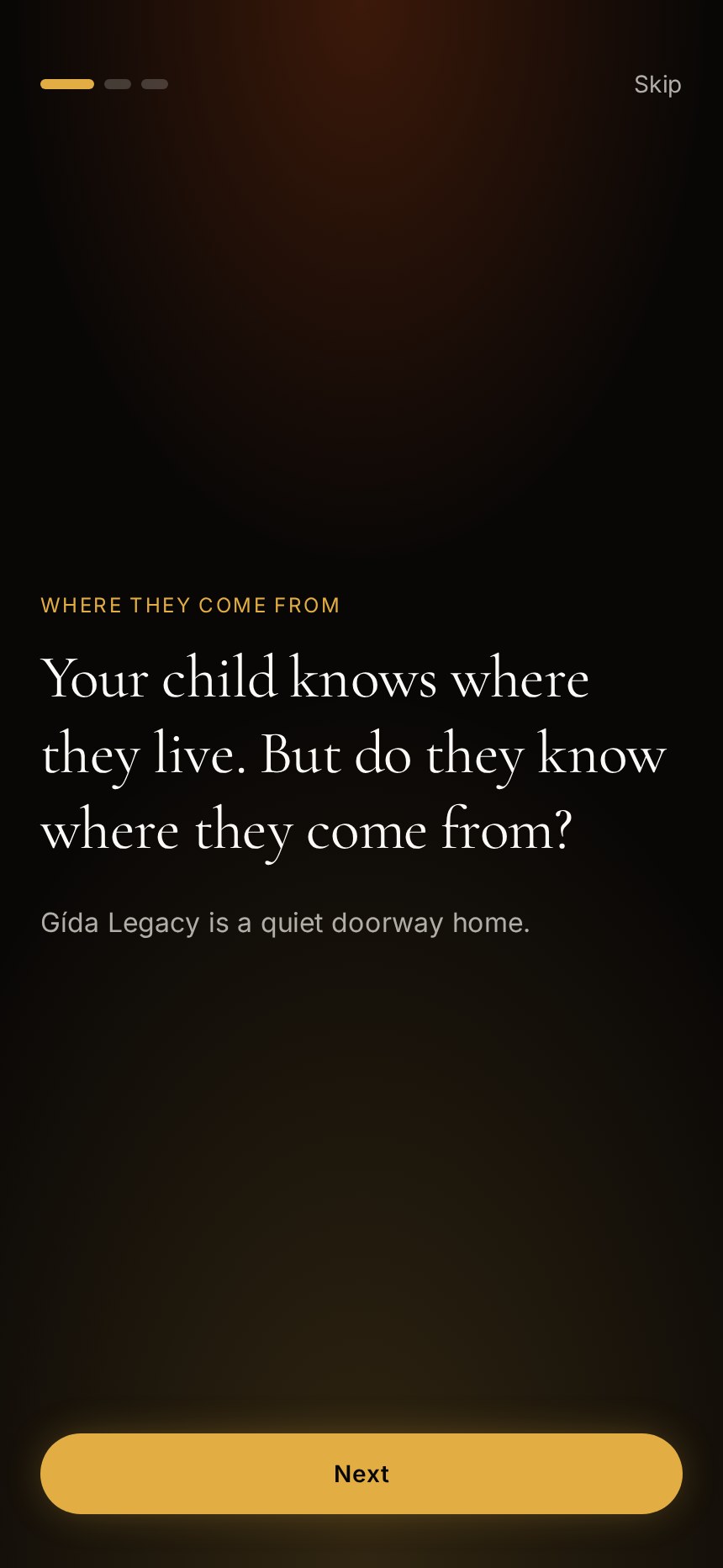
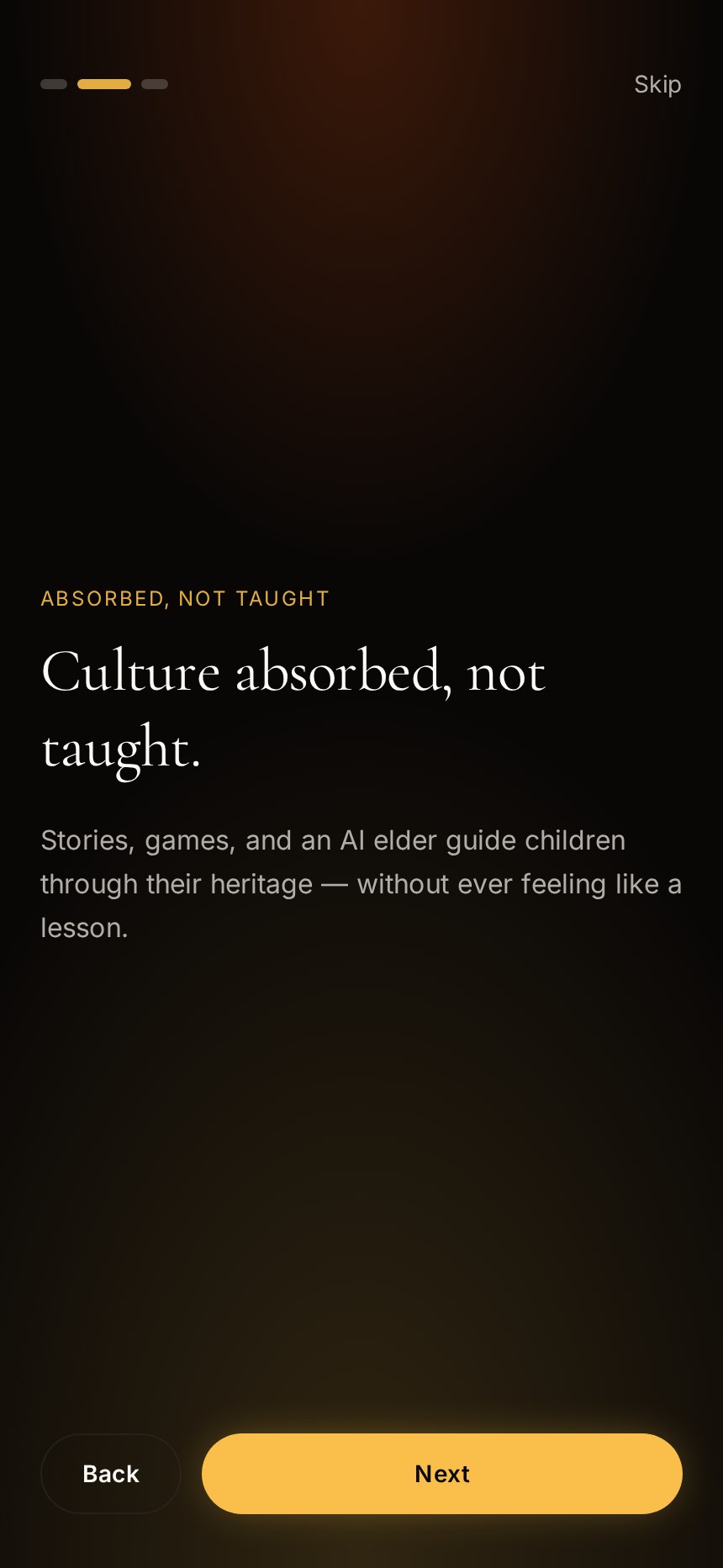
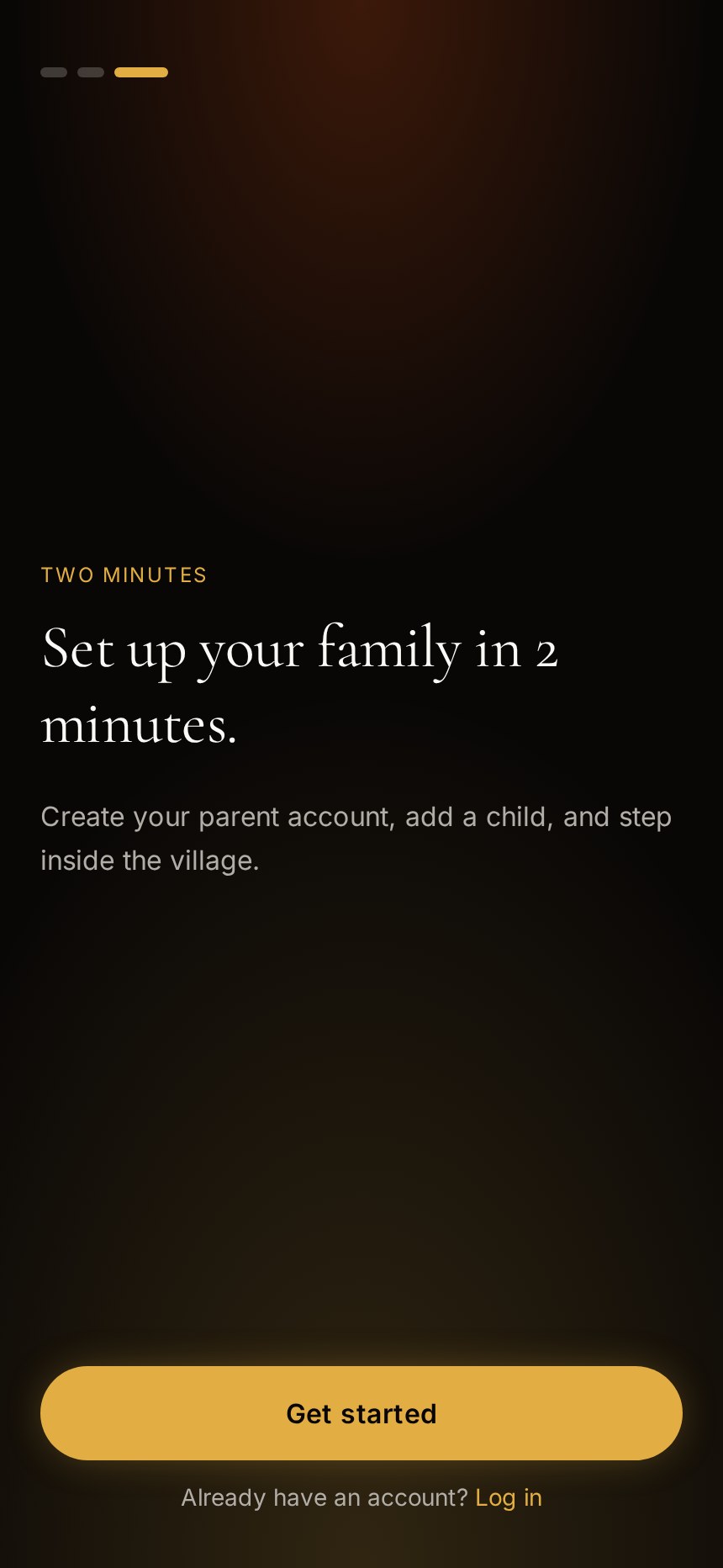
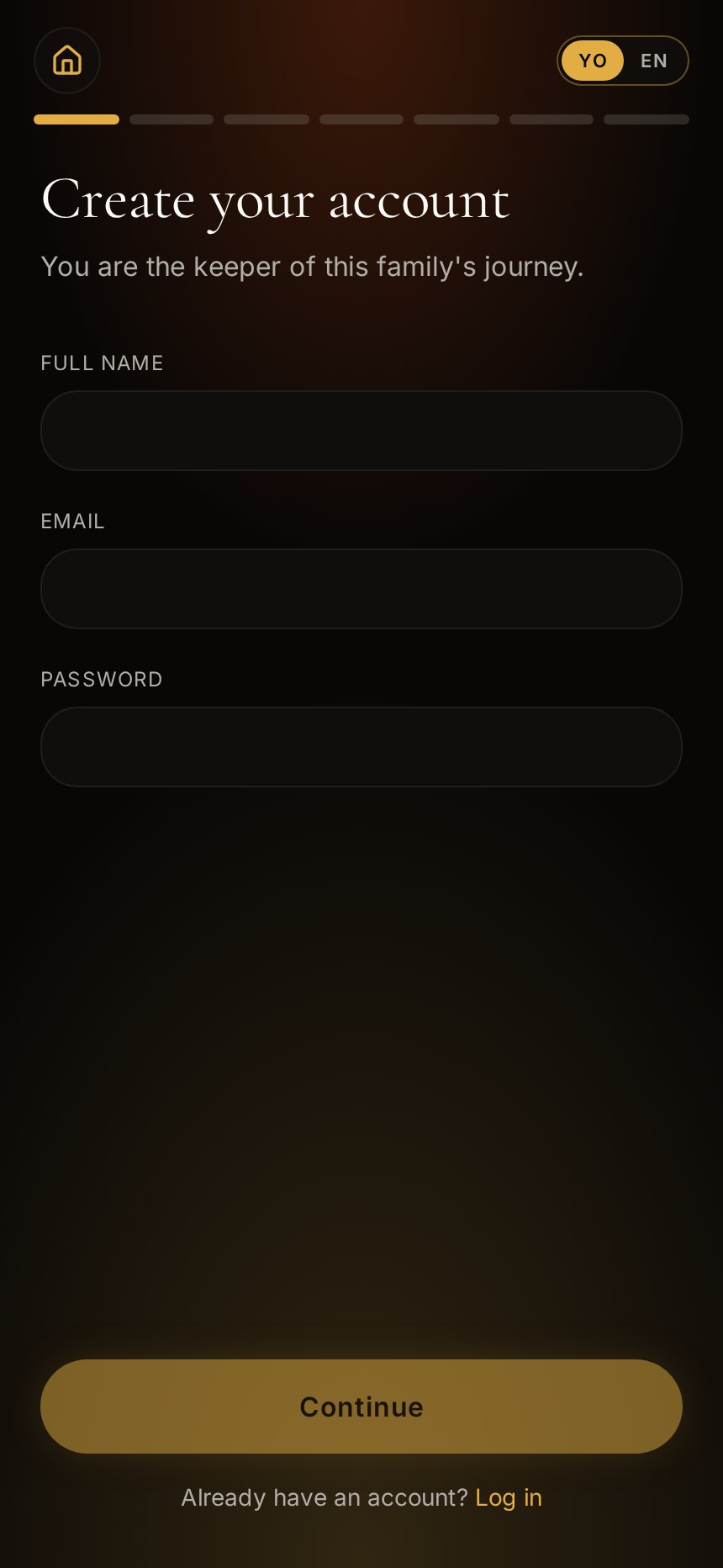
These are screens from the working GÍDA prototype. The prototype is not the fully launched production product. The production Yorùbá MVP is still in development.
09
Where We Are Now
Complete
Research ✓
Complete
Validation ✓
Complete
Prototype ✓
In development
Production Yorùbá MVP
Planned
Founding Families pilot
Planned
Public launch
GÍDA is currently a validated concept with a developed prototype and a production MVP in development. Formal repeated-use child testing has not happened yet.
10
Next Validation
The Founding Families pilot will test:
- What children naturally return to
- Engagement with stories, games and cultural experiences
- Knowledge retention
- Whether learning transfers into family life
- Parent perception of progress
- Continuing family value
These are future testing objectives, not results.
11
Reflection
Discovery can change the category of the product itself.
We could have optimised a language-learning concept, but parent research revealed a deeper problem: cultural connection. That changed what we chose to build.